



Clean contact is one of the fastest ways to make your tennis look and feel better. The ball leaves the strings with less effort, your targets become larger, and your recovery gets easier because the swing does not pull you off balance. Grass season puts that skill under a brighter light because low bounces and quicker points punish late preparation.
You do not need a grass court to train the habits that grass rewards. You need controlled feeds, simple targets, and a practice structure that makes timing visible. A portable tennis ball machine is useful here because it lets you repeat the same problem until the contact point becomes clearer.
Drill 1: The Quiet Contact Window
Set a medium-paced feed to your forehand. Before each ball, say your cue quietly: “turn, step, meet.” The cue is not decoration. It keeps your preparation from drifting. The goal is to meet the ball slightly in front, hold your posture through contact, and recover before the next feed.
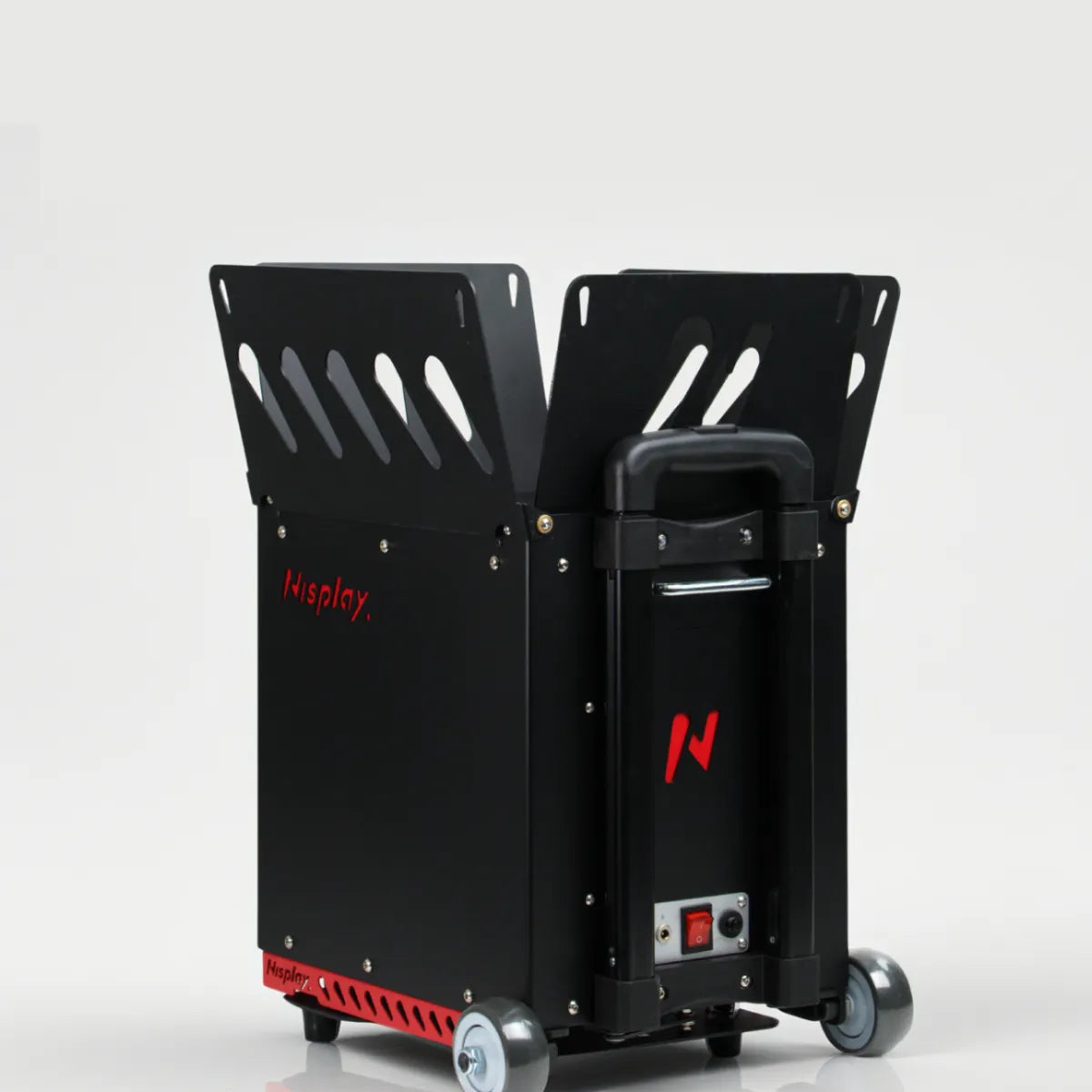
Start with three sets of ten balls. Count only contacts that feel balanced. If you mishit, do not speed up your swing to compensate. Slow the movement down and find the contact window again. Players using the Nisplay L1 tennis ball machine can keep this drill compact and repeatable for home courts, driveways, or club practice blocks.
Drill 2: Low-Bounce Backhand Reset
Most recreational backhands break down when the ball stays low. The solution is not a bigger swing. It is earlier preparation, lower legs, and a simpler racquet path. Set the feed to your backhand side and aim cross-court with a generous margin.
Your checkpoint is simple: can you finish the shot without your head rising before contact? If the head lifts, the racquet face usually changes. If the body stays calm, the backhand becomes more predictable. For a deeper practice philosophy around repeatable improvement, read Why Top Tennis Coaches Believe Repetition Is the Key to Real Improvement.
Drill 3: First Step Recovery
Clean contact is not finished when the ball leaves the strings. It is finished when you recover well enough to handle the next shot. After each feed, make your first recovery step immediately. Do not admire the ball. Do not drift. Hit, land, recover.
Use a cone or towel as your recovery marker. After every shot, return close enough to tap the marker with your foot. This gives the drill a clear physical standard instead of a vague feeling. If you train alone often, pair this with our guide to effective solo tennis practice.
Drill 4: Approach And Hold
Grass season reminds players to move forward when the ball is short. The approach shot does not need to be spectacular. It needs to be deep enough, placed well enough, and followed by a stable first volley position.
Set a shorter feed. Hit the approach through the middle or to a large cross-court target, move inside the service line, then split and hold your balance for one second. At first, you do not even need the volley. Train the arrival. Once that feels clean, add one controlled volley. The Nisplay N2 works well for players who want a simple practice rhythm with enough consistency to build this pattern.
Drill 5: Ten-Ball Contact Score
Finish with a score that rewards quality instead of power. Feed ten balls. You earn one point for clean contact, one point for balanced recovery, and one point for hitting your target zone. The maximum score is thirty. Repeat the drill until your score improves, then stop while the session still feels sharp.
This type of scoring makes practice more honest. It also keeps the session from turning into random hitting. You are training a repeatable standard, not chasing one perfect shot.
A Simple Progression For The Week
- Session 1: quiet contact window and low-bounce backhand reset.
- Session 2: first step recovery and approach-and-hold pattern.
- Session 3: ten-ball contact score, then replay the weakest drill.
For players who want more court coverage and feed variation, the Nisplay N3 tennis ball machine is the model to compare after you know which shot patterns you want to train most.