



Wimbledon is one of the clearest reminders that tennis is not only about hitting harder. Grass rewards early preparation, clean contact, first-step recovery, and the ability to make the next ball simple. For recreational players, that is useful because those same skills translate directly to weekend matches, league play, and short practice sessions.
The 2026 Championships are being played from June 29 to July 12, and the first weekend sits right in the middle of the singles third-round stage. Instead of chasing match-by-match takeaways that change overnight, it is better to pull out training ideas that stay useful: move earlier, prepare sooner, recover cleaner, and repeat the shot pattern until it feels calm under pressure.
1. Train The Split Step Before The Swing
On grass, the ball stays lower and arrives faster after the bounce. That makes the split step more important than the swing. If you are late with your feet, the racquet face has to save the shot. If your feet are early, the stroke can stay compact and repeatable.
A simple drill is to set a medium-speed feed to the forehand side, split as the ball leaves the machine, and recover to the middle after every hit. Keep the goal narrow: ten clean contacts in a row, not ten winners. A portable tennis ball machine helps because the feed stays consistent enough for the footwork pattern to become automatic.
2. Make Contact Earlier Than Feels Comfortable
Grass-court tennis makes late contact obvious. Recreational players often wait for the ball to drop into a familiar strike zone, then wonder why they feel rushed against better pace. Use the grass-season mindset to practice meeting the ball slightly earlier and in front of the body.
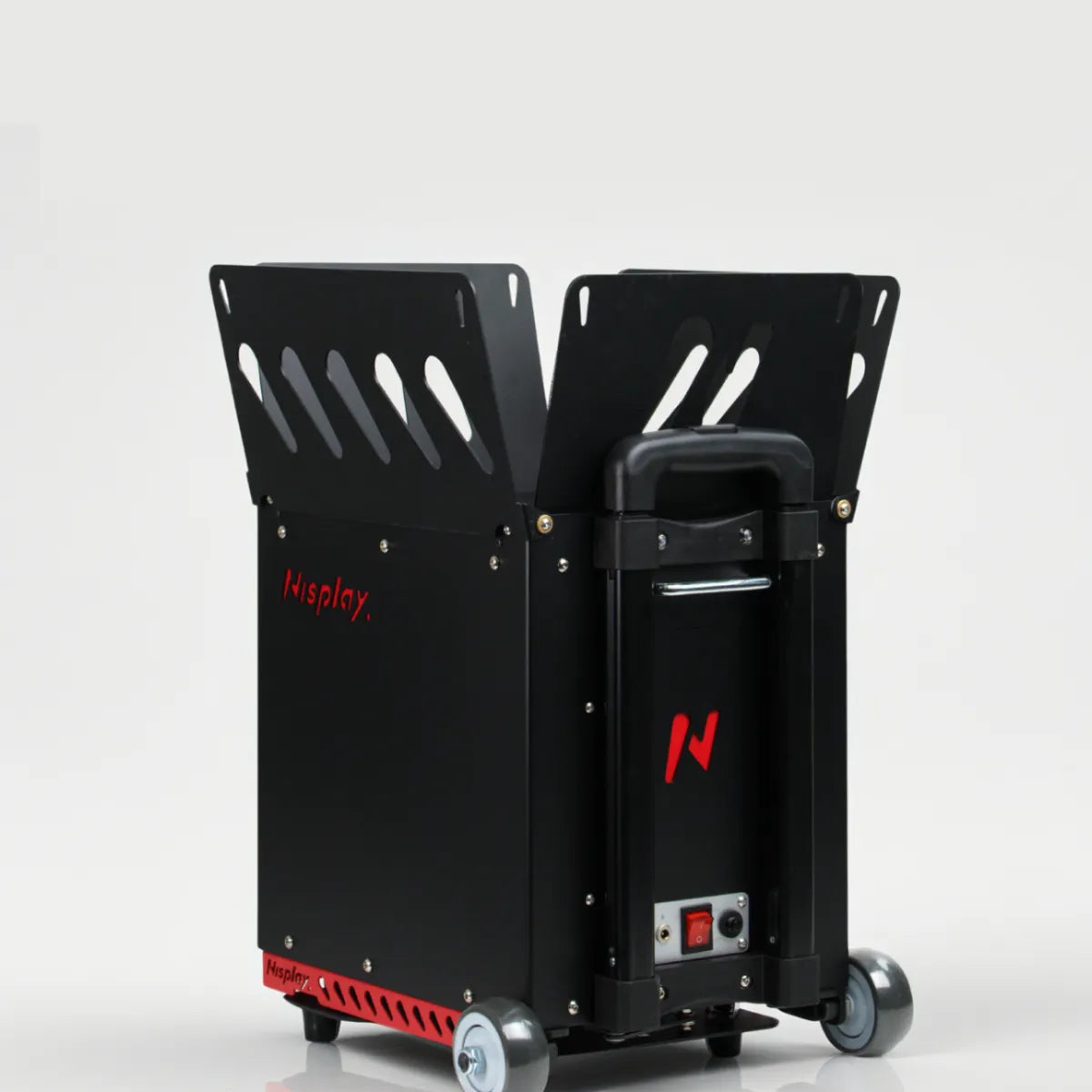
Start with cooperative feeds. Set the machine to a moderate pace and stand a step inside your normal baseline position. Your target is not maximum power. Your target is a clean sound, a stable racquet face, and a finish that does not pull your body sideways. For players who want compact, repeatable feeds at home, the Nisplay L1 tennis ball machine is the natural place to start.
3. Add A Low-Ball Pattern
Many recreational players practice comfortable waist-height balls, then struggle when the bounce stays low. Build one low-ball pattern into every session. Feed a lower ball to the forehand, drive or shape it cross-court, recover, then repeat on the backhand.
Keep the knees involved. A low ball should not mean a collapsed wrist or a chopped swing. Think of lowering your body first, then letting the racquet travel through the ball. If you already read our clay-to-grass transition guide, use it as the seasonal companion to this session: From Clay to Grass: How to Keep Your Tennis Training Moving.
4. Practice The First Volley, Not Just The Approach
Wimbledon always brings attention back to forward movement. Even if you are not a serve-and-volley player, you still need confidence finishing points at the net. The mistake is practicing only the approach shot and treating the volley as a bonus.
Try this sequence: feed one shorter ball, hit an approach through the middle, move forward, then take one controlled volley to a large target. The goal is smooth movement, not a highlight shot. If you train with the Nisplay N2, use a steady feed that gives you enough time to connect footwork and decision-making.
5. Build Pressure With Small Scores
Repetition works best when it includes a little consequence. After you can complete the pattern, add a small score. For example, you need eight clean contacts out of ten before you move on. Or you need three successful approach-and-volley sequences before you finish the drill.
This keeps practice honest without making it tense. It also mirrors what matters in matches: not whether you can hit one good ball, but whether you can repeat a good decision when the point is still alive.
A 35-Minute Wimbledon-Inspired Session
- 5 minutes: split-step timing with light forehand and backhand feeds.
- 10 minutes: earlier contact from one step inside the baseline.
- 8 minutes: low-ball forehand and backhand patterns.
- 7 minutes: approach shot plus first volley.
- 5 minutes: scored consistency challenge, eight out of ten clean balls.
If you want more variation in a compact training setup, compare the Nisplay N3 tennis ball machine with the L1 and N2 based on how much programmability and court coverage you want.